What is Poland Famous For: 33 Amazing Things Poland is Known For

What is Poland Famous For?
So what is Poland famous for exactly?
Is Poland famous for anything? Yes, absolutely.
There are quite a few famous things about Poland, some of which you may already know and many things Poland is famous for may come as a surprise to you.
Poland is a country full of rich culture and history. From its world-renowned cuisine to its beautiful cities, Poland has some incredible things to offer.
👉Pssssst….Are you in our FREE Poland Travel Facebook Group?
Poland is known as the land of fields, as its namesake has the term “pol” a portion of the world “pole,” or field.
Poland is known for producing many agricultural and horticultural products, as well as some more famous things such as Polish ceramics & pottery.
There are many famous Polish people – both past and present. Many of the world’s greatest scientists, authors, poets and actors have come from Poland over the centuries.
Some great Polish people in history include Pope John Paul II, Chopin and Copernicus, both of whom have dramatically changed and shaped their respective fields. Famous Polish women include Marie Curie, whose discovery of two elements contributed significantly to the treatment of cancer.
From its world-renowned cuisine to its beautiful cities, Poland has some incredible things to offer. The countryside of Poland offers breathtaking views of rolling hills and forests.
Poland is especially well-known for its culture and traditions, which have been passed down from generation to generation.
Traditional Polish food such as pierogi, kielbasa, barszcz and gołąbki are popular dishes that can be found all over the country.
Poland is also famous for its cultural artifacts and souvenirs which can be found throughout the country.
Hand-crafted wooden boxes, amber jewelry, traditional clothing and pottery are just a few examples of what you can buy to take home as a reminder of your trip to Poland.
Don’t forget to pick up some famous Polish vodka – it’s an absolute must!
Without further ado, here are 33 things Poland is known for.
What is Poland known for historically?
1. Auschwitz-Birkenau
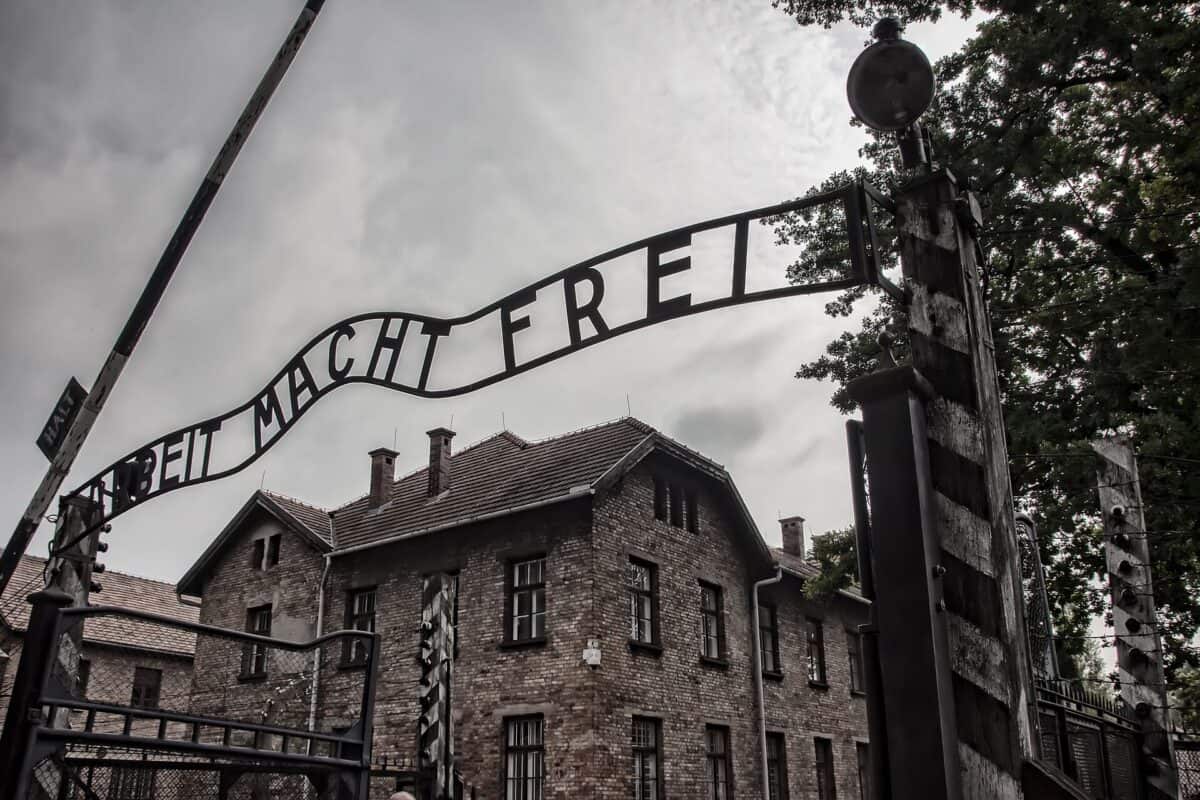
Auschwitz is a symbol of the Holocaust, and it has an infamous place in history. Located in Poland, Auschwitz was a concentration camp where more than one million people were killed by the Nazis during World War II.
It is remembered as one of the darkest moments of human history and stands as a reminder of the atrocities that can be perpetuated in times of war.
Auschwitz-Birkenau is still standing today, and it is possible to visit the site. If you’re visiting Krakow, you can easily get to Auschwitz from Krakow via various methods of transportation.
If you are trying to visit from Krakow, here are the best Krakow to Auschwitz tours.
For those who choose to do so, they can experience an important part of Polish and world history that must not be forgotten.
It is a powerful reminder of the importance of peace and respect for human life. Visitors can explore dozens of barracks, gas chambers, and other areas used by the Nazis.
There is also a memorial to those who were killed in Auschwitz, which serves as an important reminder of why this site must never be forgotten.
2. Warsaw Uprising
The Warsaw Uprising was a significant event in Polish and world history that occurred during World War II.
The uprising was a large-scale armed resistance by the Polish Home Army (Armia Krajowa), aimed at freeing the city of Warsaw from German occupation.
The uprising started on August 1, 1944 and lasted 63 days, until the Home Army was forced to surrender on October 2, 1944. During this time, tens of thousands of civilians and soldiers were killed, and much of the city was destroyed.
The Warsaw Uprising holds a special place in the hearts of the Polish people and is considered a symbol of bravery and resistance against oppression.
It is also considered a turning point in World War II, as it is believed to have created a rift between Stalin’s eastern forces and western allies.
Today, the Warsaw Uprising is remembered in Poland through numerous monuments, museums, and ceremonies, and its significance extends beyond Polish borders, serving as a testament to the power of human courage and determination in the face of adversity.
The legacy of the uprising continues to shape the cultural, political, and historical identity of Poland and serves as a reminder of the sacrifices made to defend freedom and independence.
3. Solidarity Movement
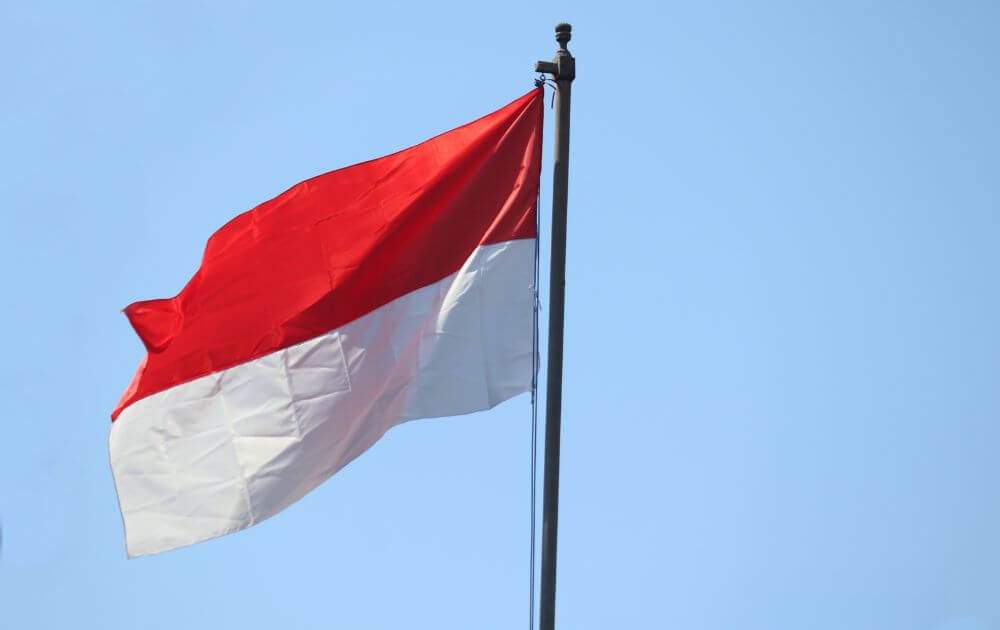
The Solidarity movement of Poland was an important part of the struggle against Communism in Eastern Europe and is remembered as one of the most successful peaceful uprisings in history.
The movement began in 1980 when workers at the Lenin Shipyards in Gdansk formed a trade union to oppose oppressive labor laws.
This sparked a wave of strikes across Poland and eventually led to the creation of the first non-communist government in Eastern Europe.
Lech Walesa has long been considered to have been the leader behind the Solidarity movement, and eventually Poland’s first post-Communist democratically elected president.
Today, Solidarity is remembered as a symbol of freedom and democracy in Poland.
Numerous lectures, seminars, museums and exhibitions throughout the country help tell its story and explain why it was so important to the Polish people.
The Solidarity movement continues to be a source of pride for Poles and a reminder of the power of peaceful protest and civil disobedience.
It is also an inspiring example for people around the world who are fighting for freedom and democracy in their own countries.
Solidarity stands as a testament to the courage, determination, and resilience of the Polish people in the face of great adversity.
Famous Polish people
4. Pope John Paul II
Pope John Paul II is remembered as one of the most beloved Popes in history and one of the most important people in Poland and its history.
He was born Karol Józef Wojtyła in Poland, and led an extraordinary life of service to God and humanity.
As the Bishop of Rome, he traveled extensively throughout his papacy and made historic visits to more than 100 countries and territories.
He was an influential figure in the history of Poland, the first non-Italian Pope since 1523, and a tireless advocate for human rights.
Pope John Paul II was particularly beloved in Poland due to his commitment to defending Polish identity against Soviet control during his time as pontiff.
People around the world admired him for his unwavering support for democracy, freedom of speech, and religious liberty.
He was passionate about connecting with young people from all walks of life and encouraging them to lead lives of spiritual exploration. His legacy endures in millions of faithful followers who strive to emulate his commitment to humanitarianism, justice and peace.
John Paul II will no doubt remain an important part of Poland’s history due to his unwavering dedication to Polish identity and culture in the face of Soviet rule during his papacy.
If you ask someone the question what is Poland famous for, many people may refer to Pope John Paul as one of its most famous citizens.
He made a lasting impact on the world through his writings on topics such as love, suffering and death, as well as his tireless advocacy for human rights.
He will forever be remembered for standing up for those who are oppressed and bringing hope to millions of faithful believers.
In honor of his memory, there is an annual feast day honoring John Paul II in Poland where people gather to celebrate his life and legacy.
5. Nicolas Copernicus
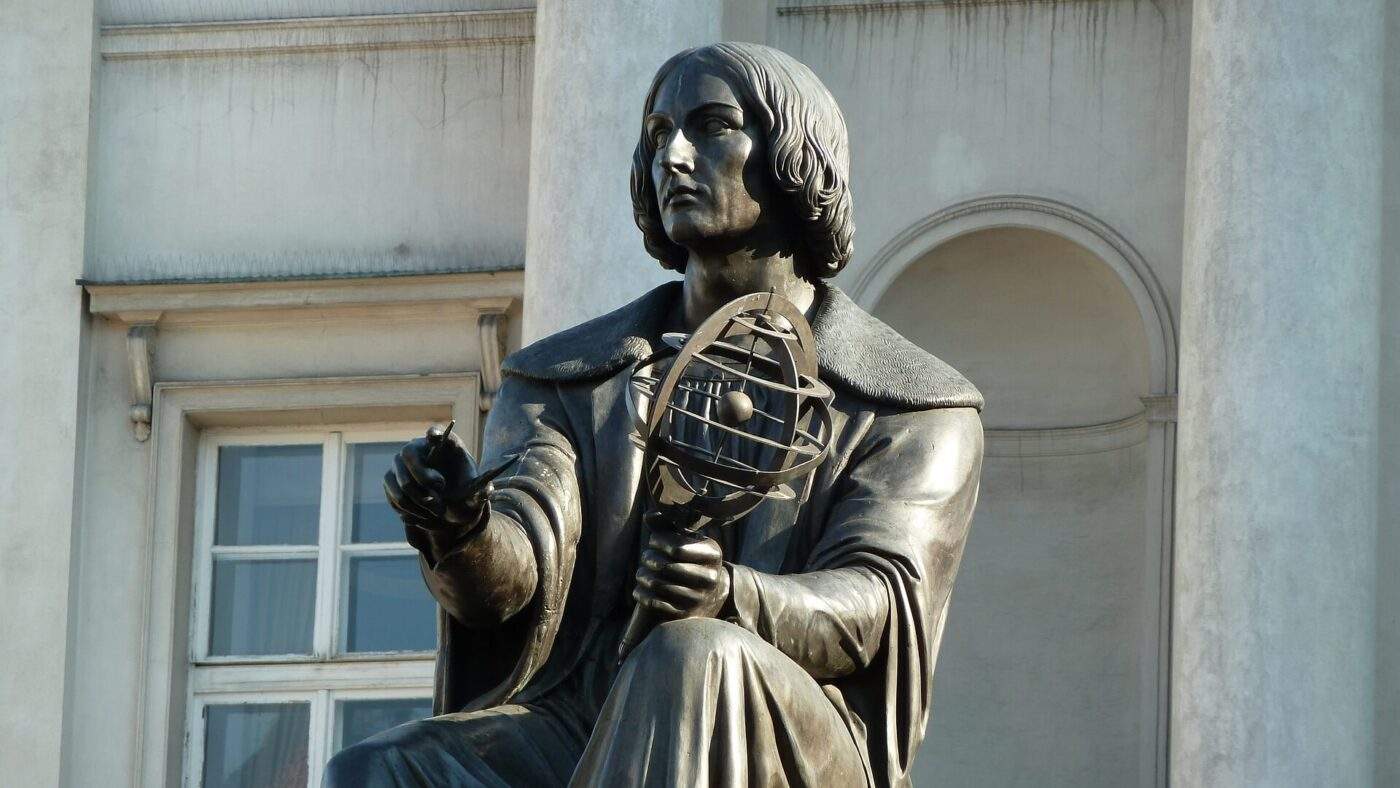
Nicolaus Copernicus was a Polish astronomer, mathematician and physicist who is known for formulating a heliocentric model of the universe.
He believed that the earth and other planets revolve around the sun, contrary to what was believed at the time, which was that the earth was stationary.
His findings overturned much of the previous scientific knowledge and are still relevant today.
Copernicus was born in Torun, Poland, and educated at the University of Krakow before continuing his studies at the University of Bologna in Italy.
He is remembered as one of Poland’s most important figures and his contributions to science have been acknowledged around the world.
In Poland, many monuments and landmarks have been named after him including the Copernicus Science Center in Warsaw.
6. Frédéric Chopin
The great composer Frédéric Chopin is another famous person in Poland and its history.
Born in 1810, he was a renowned pianist, virtuoso performer and composer who wrote some of the most popular pieces of piano music ever written.
His romantic compositions were inspired by his native Poland, and they have continued to captivate audiences around the world for centuries.
His music was considered revolutionary in its time and is still revered today as some of the most beautiful pieces ever written.
Chopin’s work has been translated into many languages and performed by great musicians throughout history, including famous pianists Martha Argerich and Vladimir Ashkenazy.
The influence of Chopin’s work can also be heard in the works of many contemporary composers such as George Gershwin and Sergei Rachmaninoff.
Chopin remains one of the most celebrated musicians in history.
7. Marie Curie
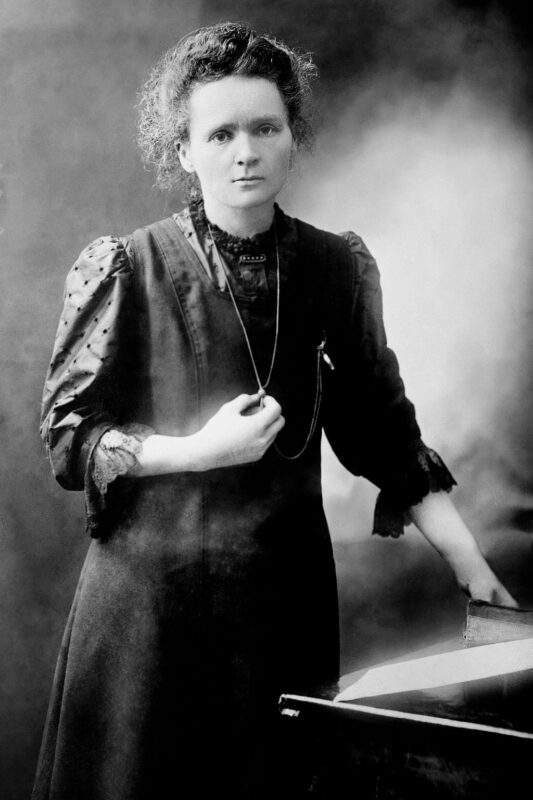
Marie Curie is one of the most famous figures in Polish and world history.
She was born in Poland but later moved to France, where she completed her higher education.
Through her work as a physicist and chemist, Marie Curie made many groundbreaking discoveries that shaped our understanding of science.
She was the first woman in history to win a Nobel Prize, and she was also the first person to win two Nobel Prizes in different sciences.
Marie Curie is best known for her research into radioactivity, which she conducted alongside her husband Pierre Curie.
Together they discovered two new elements – radium and polonium – which helped revolutionize the field of radiation therapy. She also developed techniques to isolate radium, which was later used in medical treatments.
Marie Curie’s work has had an incredible impact on science and medicine, with her discoveries leading to new technologies such as X-rays and nuclear power.
She has also been recognized for her courage and determination, having persisted in her research despite the obstacles she faced as a female scientist.
Marie Curie’s legacy is remembered throughout Poland, where she is honored with statues, museums, and awards that commemorate her life and accomplishments.
8. Casimir Pulaski
Casimir Pulaski (Kazimierz Pulaski) a Polish warrior and freedom fighter from the 18th century, is celebrated in both Poland and the United States for his courage and bravery. He was born on March 6th, 1745 in Warsaw to an aristocratic family.
At a young age he became involved in politics and joined the Bar Confederation to fight against Russian domination of Poland.
Pulaski was a brave and skillful military leader during this time.
In 1777 he volunteered in the American Revolution and eventually became General George Washington’s Chief of Cavalry.
His bravery and tactical expertise helped save the Continental Army from defeat at several battles, most notably in the Battle of Brandywine, where it was said he saved the life of future president George Washington.
In addition to his military prowess, Pulaski also championed the cause of Polish independence, urging Poles to fight against foreign occupation, which inspired many people and helped keep the spirit of freedom alive in Poland during a turbulent period in its history.
Pulaski is celebrated both in Poland and the United States. In Poland, he is considered a national hero and is commemorated each year on Pulaski Day, which is celebrated with parades, speeches, and other festivities.
In the United States, he is honored for his contributions to the American Revolution. A statue of him stands in Washington D.C., and many places, schools and streets are named in his honor.
What is Poland famous for: Poland famous food
9. Pierogi
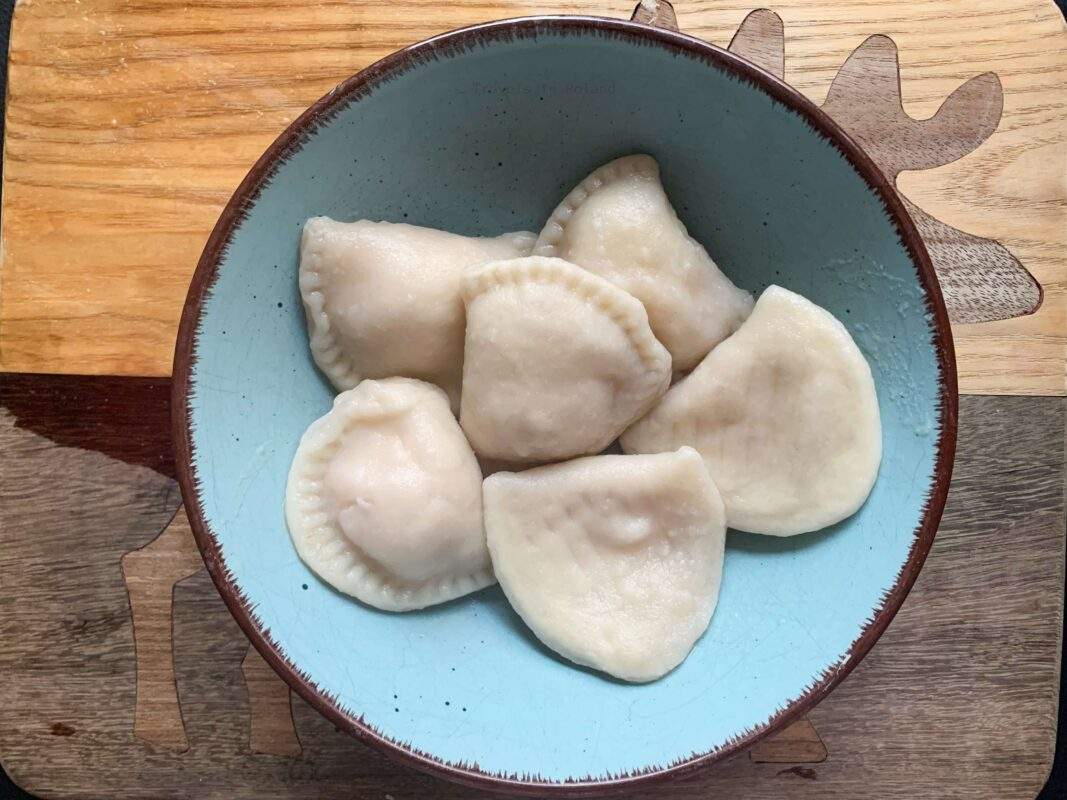
In Poland, pierogi have become an iconic part of their culture and cuisine.
Pierogi are dumplings filled with a variety of savory or sweet fillings.
Pierogi z kapusta are a favorite of mine, and pierogi z truskawkami albo jagodami are sweet filled with strawberry or forest fruits, respectively. They are also quite delicious and are worth trying.
The dumplings, made with unleavened dough, are also filled with fillings, such as sauerkraut, mushrooms, cheese and potatoes.
The origin of the pierogi is debatable as it shows up in various similar forms in different cultures, but it is believed that they have been a part of Polish cuisine since the Middle Ages.
Today, pierogi remain one of the most beloved dishes in Poland and are a popular item on restaurant menus throughout the country.
The popularity of pierogi has spread beyond Poland as other countries have adopted their own variations of this traditional recipe.
Pierogi have become a popular dish in countries such as Ukraine, Lithuania, and the United States.
10. Kielbasa

Kielbasa is a type of sausage that is popular in Poland.
It is made from pork, beef, or both and can be boiled, smoked, or grilled. Kielbasa has been a part of Polish cuisine for centuries and there are numerous varieties available today. The term “kielbasa” is quintessentially Polish, famous for the name itself.
There are so many different varieties of Kielbasa. White Kielbasa, which is made with pork and seasoned with pepper and salt, and Kiełbasa wędzona, which is smoked sausage are well known.
Kielbasa can be served as an an accompaniment to pierogi, sauerkraut, potato pancakes or a host of other foods.
Kielbasa can also be enjoyed on its own as a snack or appetizer.
A common way that I’ve always experienced eating kielbasa is with sliced Polish bread, egg salad, pickles, tomatoes and a few other small side dishes.
I usually have a variety of kielbasa and have it with different types of spreads on the side such as polish mayo, horseradish or other sauces.
Kielbasa is a popular dish throughout Poland and is eaten on a regular basis.
In addition to being served as part of a meal, kielbasa is often used as an ingredient in other dishes to add flavor and texture.
Kielbasa remains one of the most beloved foods in Poland, and can be purchased in any deli or grocery store. In the US, you can sometimes find dried versions in grocery stores, or you can look for a Polish or European specialty store.
11. Babka
Babka is a classic Polish cake that has been around for centuries.
It is made with sweet yeast dough that is usually flavored with citrus, raisins and cinnamon before being baked in a bundt pan.
The result is a light, spongy cake with a crispy golden crust – perfect for sharing at special occasions or family gatherings.
This cake is especially popular around Easter and it’s found its way into my family’s Easter baskets for years. It can be served with other Easter dishes such as kielbasa, bialy barszcz, jajka and other typical Easter dishes.
The cake is widely available in most Polish bakeries, where it is often topped with poppy seeds and raisins, or served with a light glaze.
12. Oscypek Cheese

Oscypek cheese is a traditional and beloved raw sheep’s milk cheese from the Tatra Mountains in southern Poland.
It is known for its unique smoky flavor, which comes from being smoked over an open fire of aromatic mountain wood. The cheese is made using ancient methods and recipes that have been passed down through generations.
Some people have their opinions on this particular cheese. Oscypek is one of those Polish things that you may need to learn to love.
I believe it can be an acquired taste, and for me, I absolutely love this cheese. Probably because it reminds me of my childhood and the numerous times we stopped on the side of the road to buy it from a local farmer. It can be very salty however, but oh so good (not for everyone).
Oscypek cheese is an important part of the region’s culture and economy, as it is produced by local farmers from their own flocks.
It can be found in most markets throughout Poland today, which is quite extraordinary. A few decades ago it was hard to find it outside of the southern region.
It has become a popular gift for visitors to take home, as it is a unique and tasty souvenir from Poland.
As an officially protected product, the traditional production of Oscypek cheese has been preserved for centuries and continues to be enjoyed by people around the world.
13. Polish cuisine
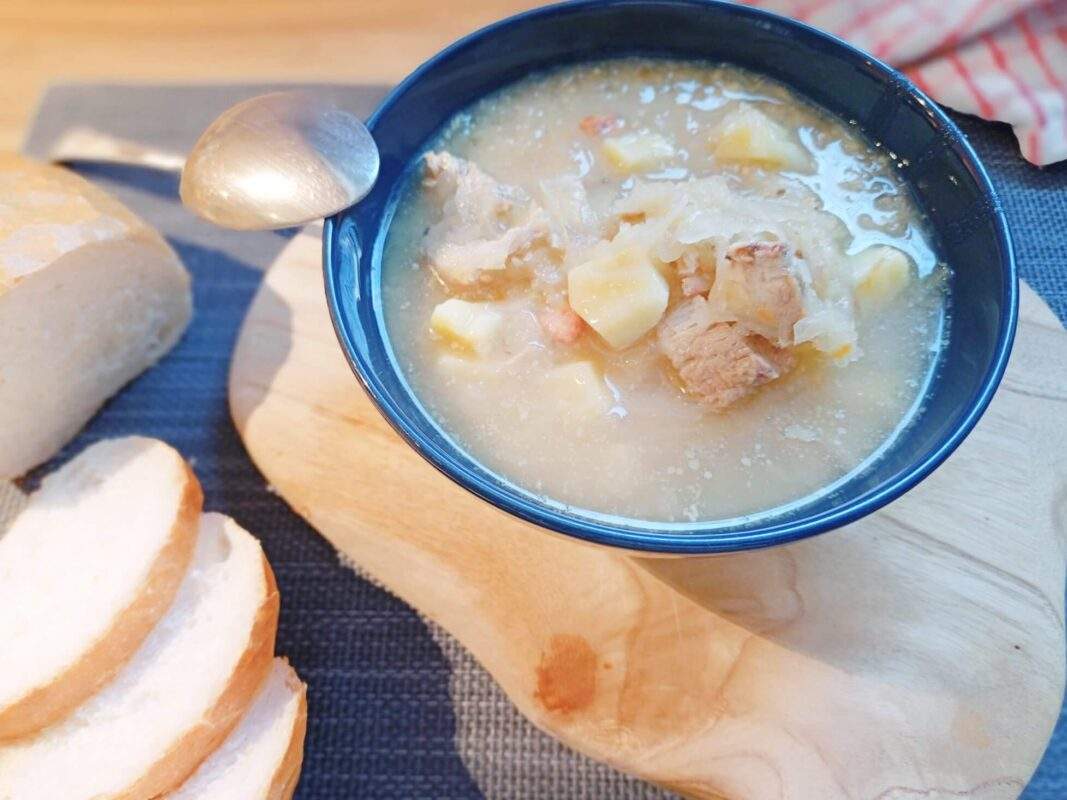
While Kielbasa, pierogi and babka are well known, there are other Polish dishes that are known as well that deserve a mention.
Polish cuisine is renowned for its hearty flavors, classic comfort foods, and use of fresh, seasonal ingredients.
Everyone has their favorites.
Bigos is a popular dish, a hunter’s stew made with meat, cabbage, and mushrooms. If you make this from scratch, prepare for some very strong smells while it is cooking, so this dish might be best to try at a restaurant.
Golabki, or stuffed cabbage rolls, are also very popular in Poland.
Other traditional dishes include zrazy (stuffed rolled beef) and pyzy (potato dumplings), kapusniak and zurek (types of soup).
Polish cuisine is also known for its use of herbs, such as dill, parsley and sage, which are all used to add flavor to a variety of dishes. No matter what type of food you enjoy, you are sure to find something delicious in the traditional cuisine of Poland.
14. Polish vodka

What alcohol is Poland known for? Well, many of you may already know that Polish vodka is well known in the world.
Polish vodka has long been a beloved spirit in Poland, and is known for its smooth flavor and high quality.
Many may argue that Poland has some of the best vodka, and it’s true, if you’re looking for good vodka, Polish vodka is really up there in terms of taste.
The spirit has origins that date back centuries, with Polish distilleries playing an important role in perfecting the production of vodka.
Today, there are many different brands of Polish vodka available. Some of the top selling varieties include Wyborowa, Zubrowka, and Luksusowa.
Uniquely flavored vodkas are also available, such as those made with mead or honey. In addition to its great taste, Polish vodka is known for its unique bottle designs that often feature colorful elements.
Polish vodka is a common drink to include during any get together’s including, weddings, birthday celebrations or even a Friday night.
In the many times I have experienced social gatherings, it’s hard to remember a time that did not include Polish vodka in the vicinity.
What is Poland famous for: Poland geographical features
15. Tatry Mountains
The Tatry (Tatra) Mountains are one of the most beloved and important parts of Poland, and are known around the world for their beauty.
The range has some amazing sights to offer, including Morskie Oko and Zakopane, two of the most popular areas in southern Poland.
Morksie Oko is an amazing hike, abut 2 hours uphill if you hike at a steady rate. The hike is absolutely worth it, and at the top I was able to relax and have a bite to eat at the restaurant.
The mountains are also a great place for skiing and snowboarding, and many people enjoy spending time in this area during the winter months.
During the summer months, Tatry offer amazing hiking, and I have hiked a few routes that have been quite mesmerizing.
The Tatra Mountains are also home to some important wildlife, including many rare species of birds and animals.
It is an important part of Poland’s natural heritage, and a great place to experience nature and adventure.
16.Bialowieza Forest (Ancient Forest in Europe)
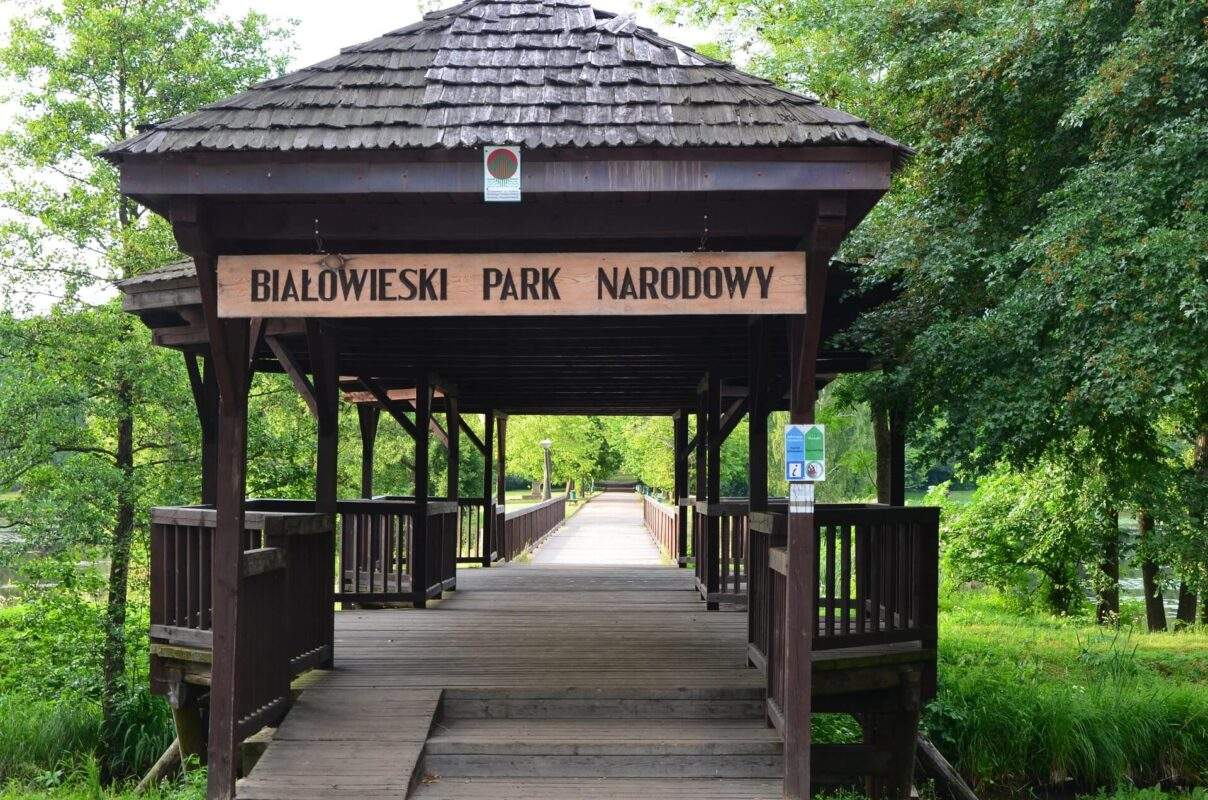
Bialowieza Forest is one of the most ancient forests in Europe and a World Heritage Site.
Located on the border between Poland and Belarus, it is home to some of Europe’s oldest trees – some of which are up to 350 years old.
The forest spans more than 140,000 hectares and is home to a wide variety of wildlife, including bison, wild boar and beavers.
Bialowieza Forest is famous around the world because of its beauty and ecological importance. It is one of the last remaining ancient forests in Europe. As such, it plays an important role in preserving local biodiversity and providing habitats for endangered species.
The forest is open to visitors and offers a variety of activities, including hiking, horseback riding and bird watching.
Visitors can also explore the old-growth trees while learning about the history of the forest. There is a Palace Park that is open for visitors free of charge as well as Nature and Forest Museum that can be toured.
Camping is not allowed in the forest, but there are plenty of campsites located nearby where visitors can stay.
Bialowieza Forest is a beautiful and important part of Polish history, and it provides a unique opportunity to explore the natural world.
17. Wieliczka Salt Mine

The Wieliczka Salt Mine is a popular tourist attraction located within the Krakow metropolitan area.
It has been an important salt mining site since the 13th century and is known for its grand underground chambers, stunning chapels, and vast networks of passageways.
The mine was inscribed on the UNESCO World Heritage List in 1978 due to its historical and cultural significance.
The mine offers guided tours for visitors that explore the chambers, chapels, and corridors of the underground world. As many people come from Krakow its best to get a Krakow to Wieliczka mine tour.
It is typically open from 8:30 a.m. to 6:00 p.m (times are subject to change), with thousands of visitors each day during peak season in the summer months.
Visitors are advised to wear light clothing and comfortable shoes for the tour, as temperatures inside the mine stays around 14˚C all year round.
During their visit, guests can expect to explore some of the oldest chambers in the mine, view unique sculptures carved from salt, and marvel at a chapel made entirely out of salt.
Having been to the mine several times, I always find something new to learn about.
One major tip is that if you go, you feel comfortable to walk around for extended periods of time. Though they do have some accommodations for individuals with disabilities, to get the entire experience, there are hundreds of steps to climb initially into the mine and quite a bit of walking after.
It is absolutely well worth the visit.
Plus, if you’re in town for a short period of time and want to visit Wieliczka, you can pair it with a tour of Auschwitz and get both Auschwitz and Wieliczka Salt mine tours in one day.
But absolutely don’t miss this if you go to Krakow. It’s an unforgettable experience.
18. Masurian Lake District
The Masurian Lake District is a beautiful part of northern Poland and one of the country’s most popular tourist destinations.
It is known for its spectacular natural scenery, consisting of more than 2,000 lakes connected by a network of pristine rivers and streams.
The region is believed to have been inhabited since the 13th century, and evidence of various cultures can still be found throughout the area.
The Masurian Lake District is an ideal destination for outdoor enthusiasts, offering a wide range of activities such as kayaking, swimming, fishing and even ice skating during the winter months.
It is also renowned for its hiking trails, with some amazing hikes in Poland found in this area.
The Masurian Lake District can be reached by car, bus or train. There are plenty of camping sites in the area and also several rental services available for those who don’t have their own gear.
Additionally, there are numerous accommodation options ranging from budget to luxury.
It is one of the best places in Poland to explore nature and enjoy outdoor activities.
Little known fact, the Masurian Lake District is a great place for birdwatching as over 200 different recorded species of birds inhabit the area. It truly is an outdoorsman’s paradise.
19. Bieszczady Mountains

The Bieszczady Mountains are one of the most stunning regions in Poland, located in the southeastern part of the country.
As one of many national parks in Poland, this particular region is known for its picturesque landscapes and abundance of nature.
Visitors can explore dark forests, deep gorges, winding rivers, alpine meadows and traditional villages.
It is also a paradise for outdoor activities, such as hiking, mountain biking, kayaking and horse riding.
The Bieszczady Mountains are home to a wide range of fauna and flora.
During summer months visitors can spot deer, wild boar and birds of prey in the forests.
In autumn you can witness the spectacular transformation of the colors of the trees.
The Bieszczady National Park is a great place to explore, with a variety of walking trails and panoramic views.
Camping is allowed in some parts of the region, including the Campsite in Bereżki and Camping Górna Wetlinka.
Visitors can also stay in traditional wooden cabins or enjoy the nightlife in nearby tourist towns.
Poland Cities and Places
20. Krakow
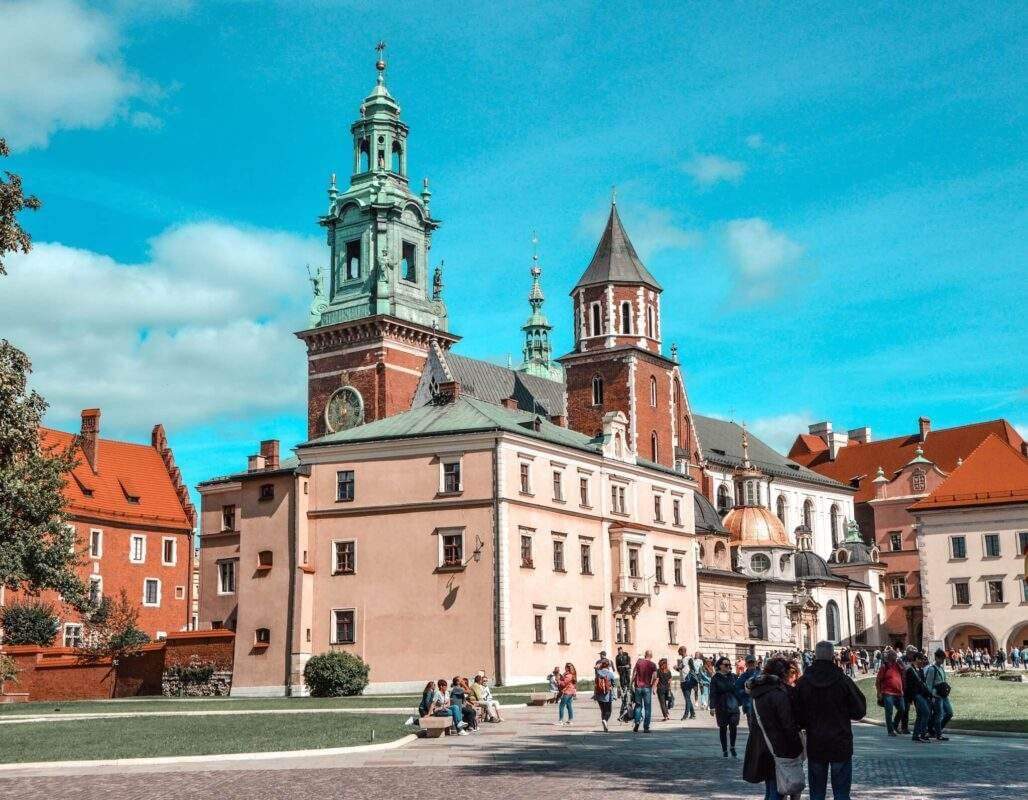
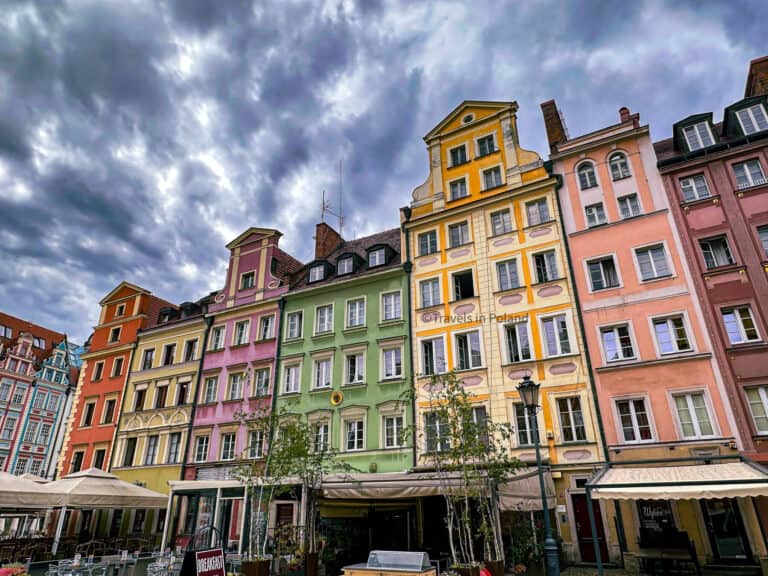
Krakow is one of the most beloved cities in Poland and is known around the world for its beauty, culture, and history.
Located on the banks of the Vistula River (Wisla River) in southern Poland, Kraków has been a center of culture and learning since medieval times.
The city is home to many prestigious universities, museums, galleries, and other attractions, including the famed Wawel Castle, and has a beautiful old town area, with a large cloth hall in the middle of its square.
The city has a rich history that dates back centuries and it was once the capital of Poland.
Today it is a popular destination for tourists from around the world who come to experience its architecture and culture.
Krakow is also known for its vibrant nightlife, which includes many bars and clubs throughout the city.
Krakow is also a great starting point for many tour operators. Krakow to Auschwitz tours are very popular as are day tours to other locations in southern Poland, such as day trips to Zakopane, Poland.
If you do visit Krakow, be sure to eat at Chlopskie Jadlo or Czarna Kaczka, our experiences there have always been great and the food delicious.
21. Lazienki Palace
Lazienki Palace, located in the heart of Warsaw, is a popular tourist destination and one of Poland’s most beloved historical monuments.
The palace dates back to the 17th century when it was developed by Polish King Stanisław II Augustus as his summer residence.
It is renowned for its stunning neoclassical architecture, lush gardens and the beautiful Lazienki Park, which surrounds it.
The palace is best known for housing significant works of art from some of the most distinguished artists from the 17th century.
Today, visitors can explore its many chambers, galleries and auditoriums which feature a variety of permanent exhibitions as well as temporary art and history displays.
The grounds of the Palace are open to visitors throughout the year.
If planning to go to this palace, you can pair it with this fantastic half day walking food tour and have a wonderful time trying some amazing Polish foods as well.
It is best to visit Lazienki Palace during the spring or summer months when its gardens and parks are in full bloom.
When I visited in the summer, it was the best time as the flowers were in full bloom making the surrounding grounds absolutely breathtaking.
Lazienki Palace and gardens are a must-see destination for anyone spending the day in Warsaw!
22. Teutonic Castle- World’s Biggest Castle

The Teutonic Castle, also known as Malbork Castle, located near the town of Malbork in northern Poland, is one of the most impressive and largest castles in the world.
Built by the Teutonic Order between 1274 and 1409, it was originally an administrative center for Christian colonization of Prussia.
The castle is a prime example of Gothic architecture with three separate castles, high walls, and towers. It is also the largest castle in the world measured by land area that is still standing today.
The castle hosts a large number of visitors each year who come to explore its expansive grounds and learn about its fascinating history.
Tours of the castle are available which provide an in-depth look at the architecture and artifacts. Visitors can also explore the castle’s gardens, chapels, and ancient artifacts.
If coming from Gdansk, this tour is best for a full Malbork Castle experience with transportation.
Two interesting facts about Teutonic Castle include that it has an extensive amber collection with over 2,000 exhibits in the castle and that the castle was once used as a prison.
Quite an interesting place to visit. . .
23. Jagiellonian University
Jagiellonian University is one of the oldest and most prestigious universities in the world.
Located in Krakow, Poland, it was founded in 1364 by King Casimir III the Great, making it one of the oldest universities in Europe.
In recognition of its importance to Polish culture, it is often referred to as “The Alma Mater of Poland.”
Jagiellonian University has produced many influential students, including astronomer Nicolaus Copernicus and numerous Polish politicians, scientists and artists.
It offers education in more than 150 fields of study, including medicine, law, philosophy, economics and natural sciences.
With nearly 40,000 students attending classes and over 4,000 staff members working at the university, it is one of the largest universities in Poland.
One unique feature of Jagiellonian University is its Collegium Maius—the oldest and most impressive building on campus.
This historic building dates back to 14th century and contains a vast collection of artifacts and artworks, as well as some of the university’s original classrooms.
The Collegium Maius is now a museum open to visitors and an important part of Krakow’s cultural history.
24. Czestochowa

Czestochowa is a city in central Poland that holds historical, religious, and cultural significance to the nation.
The city is Poland’s most visited and most important pilgrimage site.
It is best known for its Jasna Gora Monastery, which houses an iconic painting of the Virgin Mary known as The Black Madonna of Czestochowa.
The monastery itself is what draws Catholics from all over the world, with millions of visitors each year.
The painting is believed to have been painted by Luke the Evangelist and was brought to Czestochowa in 1382.
It has a long history of being a beloved symbol for Poles and during times of war, it was covered in protective oils or even taken out of the country to keep it safe.
This painting is so important to the Polish people that it was even named the unofficial “Queen of Poland.”
Seeing it in person is significant, as I recall being surrounded by hundreds of people during my visit, everyone trying to get a glimpse of the painting.
This was during the warmer months, so if you plan on a visit, try and go during colder months, butespecially not during Catholic holidays where it will be exceptionally crowded.
25. Castles

Poland has a rich history of castles, many of which date back to the Middle Ages and represent an important part of the country’s cultural heritage.
The best part is you can actually stay in many of these castles overnight. And if you can’t stay in the castle, there are usually plenty of awesome accommodations nearby.
A great example of a Medieval castle is the Teutonic Castle in Malbork, which was built by the Teutonic Order in 1274. Today it is one of the largest castles in Europe and a UNESCO World Heritage Site.
Other important castles in Poland include the Wawel Castle in Krakow, which served as the seat of Polish rulers for centuries, and the Ogrodzieniec Castle in Silesia, which is considered one of the best-preserved medieval fortresses in Europe.
Moszna Castle in Opole Voivodeship is also a popular tourist attraction, thanks to its 99 towers and elaborate architecture.
In total, there are approximately 500 castles spread throughout Poland, each with its own unique history and design. These impressive fortresses stand as reminders of Poland’s past and provide visitors with a glimpse into the country’s vibrant heritage.
26. Bar Mleczny (Milk bars)
Milk bars, or bar mleczny in Polish, are an important and beloved part of the nation’s cuisine.
These inexpensive eateries are popular among locals as well as tourists and offer a wide variety of delicious traditional dishes.
Meals typically consist of pierogi (dumplings), salads, soups and other hearty dishes, all made with fresh, local ingredients.
Many of the recipes have been passed down through generations and are prepared in traditional Polish style.
These establishments can be found in almost every major city throughout Poland. Some great milk bars include ones located in Krakow (Bar Mleczny Krakus), Warsaw (Bar Prasowy), Wroclaw (Bar Mleczny Mewa), Gdansk (Bar Mleczny Stagiewna) and Poznan (Przysmak).
The prices are very reasonable and the atmosphere is often lively and vibrant.
Milk bars are a great way to experience traditional Polish cuisine while getting to know the local culture and customs.
Plus they are cheap, and speaking from experience, the food is amazing and what you would find in a Polish kitchen.
27. The Upside Down House-Szymbark
Szymbark is a small village located in northern Poland, near the border with Russia.
It is best known for its Upside-Down House, which was built as an architectural and philosophical statement about the Communist era.
The house is turned upside down to symbolize the struggles of life under communism and stands as a reminder that “what was down can be up.”
Visitors to the Upside-Down House are encouraged to explore the unusual design and think about how it relates to their own lives.
The attraction is open year-round and receives thousands of visitors annually. In addition to the Upside-Down House, Szymbark also has a museum dedicated to the history of the village and its people.
Famous Polish Inventions, Legends and Gemstones
28. Kerosene Lamp
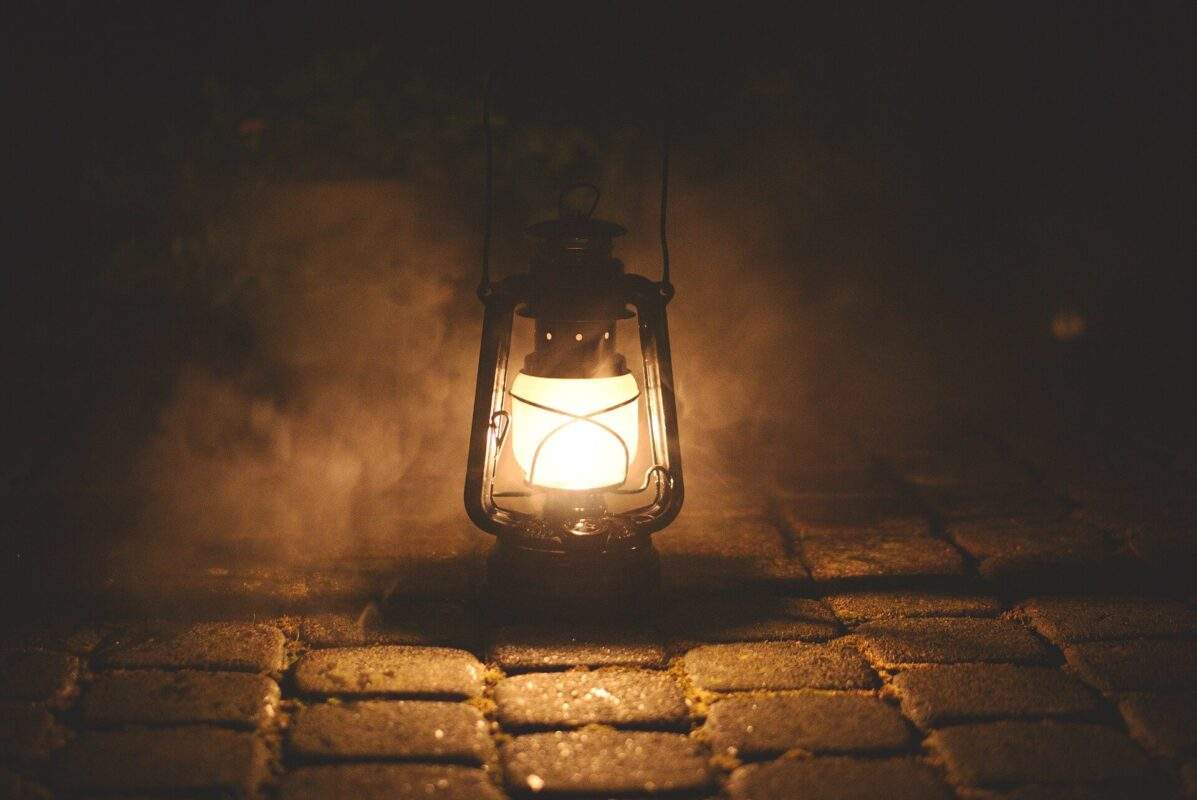
The inventor of the kerosene lamp, Ignacy Lukasiewicz, is a famous figure in Poland’s history.
In 1853, Lukasiewicz invented the first modern oil lamp, which was powered by kerosene fuel. This invention helped to revolutionize light sources and ignited a new era of lighting throughout Europe.
Before the invention of the kerosene lamp, people relied on candles and oil lamps made from whale fat.
Lukasiewicz’s invention had a significant impact on society as it enabled people to extend the hours they spent working, studying and reading.
The lamp also allowed for mass production of kerosene fuel which significantly reduced its price, making it available to people of all economic classes.
Lukasiewicz’s invention helped pave the way for future fuel-based lighting technologies, such as the oil lamp and eventually electric lamps.
Lukasiewicz’s invention is an important part of Poland’s history and it continues to have a lasting impact on the world.
29. Mazurek
Mazurek is a traditional Polish folkdance that has been around since the 16th century.
It is characterized by its quick and lively steps, as well as intricate footwork including stamping feet and heel clicks as well as sharp dance turns.
The dance is often performed at weddings and other special occasions, with music typically provided by an accordion or violin.
Mazurek has had a profound influence on world dance, and its steps and patterns have been incorporated into many other styles of dances.
Today, mazurek is still popular in Poland and around the world, with thousands of people learning it each year.
It is also featured at numerous Polish cultural festivals, concerts, and performances throughout the country.
The music used for mazurekconsists of traditional Polish folk songs and melodies, which are usually played in a 3/4 or 3/8 time signature.
One unique fact about mazurek is that Chopin created nearly 60 piano “mazurkas.”
He actually created a type of mazurek style that is separate from the traditional mazurek style.
He essentially tried to create a subset that was differentiated from the traditional form while also adhering to the traditional music.
Overall, mazurek is an important part of Polish culture and continues to be celebrated to this day. Its influence on dance worldwide is widespread as the dance has inspired other styles of dance worldwide.
30. Legend of Wawel Dragon

One of the most famous and original stories originating in Poland is the legend of the Wawel Dragon, also known as Smok Wawelski.
This dragon is a mythical creature said to have lived in a cave near Wawel Hill in Krakow.
According to the legend, the dragon terrorized the local people and livestock, and no one was brave enough to slay it. That was until a shoemaker’s apprentice came forward and defeated the dragon with the help of a clever plan.
In gratitude, the people of Krakow built him a castle on Wawel Hill and he became the city’s first ruler.
The Wawel Dragon is one of the most well-known and enduring legends in Polish folklore, and it is deeply ingrained in the country’s cultural heritage.
Today, the legend is celebrated in various forms, from dragon-themed souvenirs and toys, to theater performances and musicals.
The Wawel Dragon statue, which sits at the foot of Wawel Hill, is one of the most popular tourist attractions in Krakow and a symbol of the city’s rich cultural heritage.
You enter the cave from above, where Wawel Castle is, and you emerge on the banks of the Wisla River. Even in the summer, the cave can be a bit chilly, but we always enjoyed ourselves and it’s especially fun when you take kids.
A tip about taking pictures at the dragon, fire comes out of his mouth on a timed basis. You can time it, or even make a video and screenshot that particular moment.
31. Amber

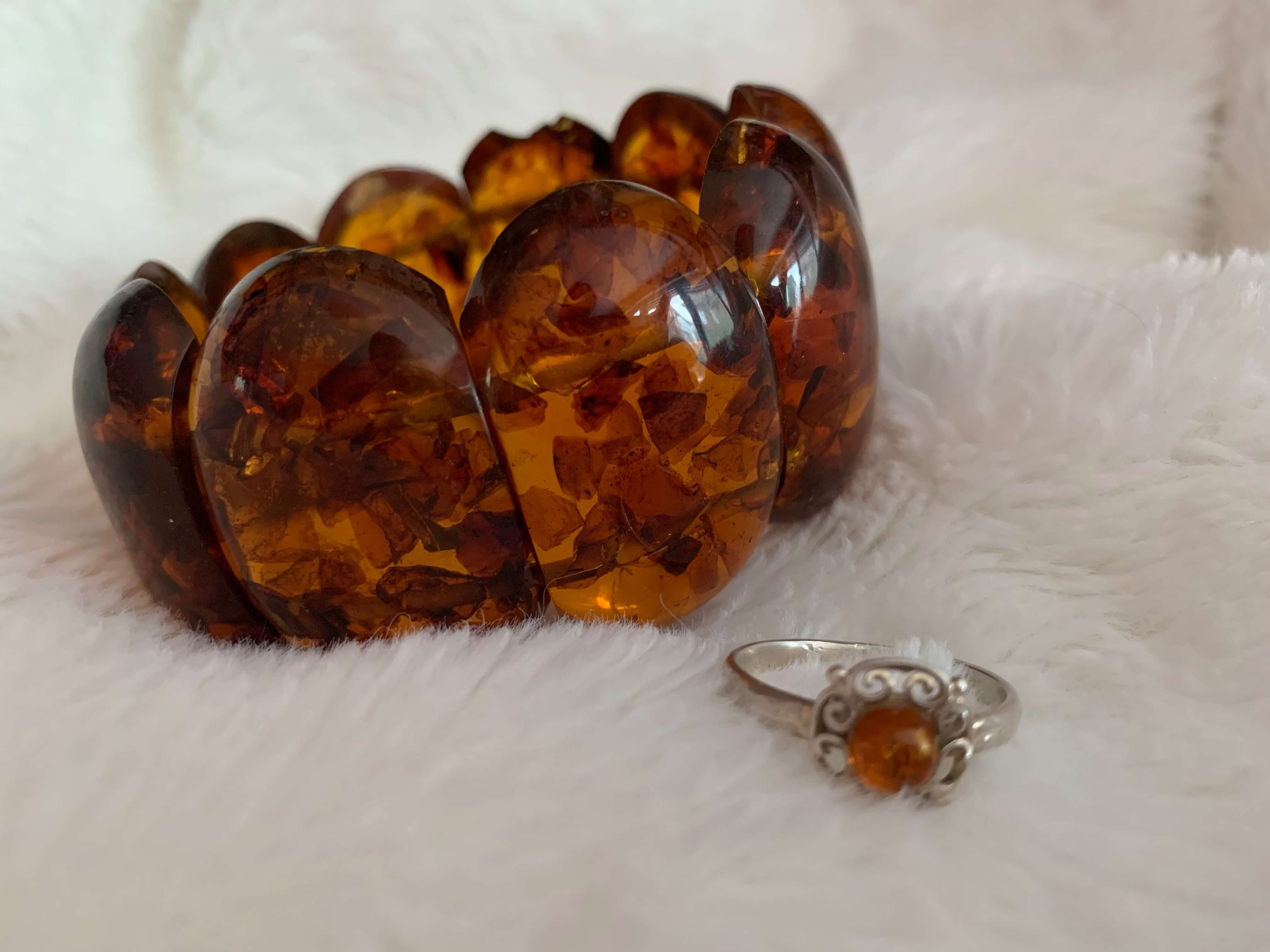
Amber is one of the most famous and important materials in Poland, with a history that dates back thousands of years.
Amber has long been an important source of income in Poland, and it can still be found on beaches around the country.
Amber is believed to have healing properties, which means it was used for medicinal purposes in ancient times.
Today, it is still used to make jewelry and other objects.
Amber jewelry is particularly popular in Poland, as it can be purchased from many shops in cities around the country. It tends to be fairly inexpensive, but high quality pieces can cost more.
The beauty of amber makes it a very sought-after material for making jewelry, and there are many unique and beautiful pieces to be found in Poland.
32. Polish Pottery & Ceramics
Ceramics is a centuries-old art form that has been popular in Poland for centuries.
It is made from clay, which is then fired in a furnace or oven and painted with glaze to create unique designs. Ceramics can be used to make everything from decorative pieces to functional objects like dishes and cups.
In Poland, ceramics is especially famous for its intricate and delicate designs, many of which feature traditional Polish motifs and patterns.
Ceramics has a long history in Poland, with some pieces dating back hundreds of years. The towns of Boleslawiec, Gdansk and Krakow are particularly renowned for their ceramics, and they offer a wide variety of pieces for sale.
In addition, ceramics can be found throughout the country in museums, galleries and specialty stores.
Polish Sports
33. Skiing and Ski jumping

Skiing is a popular pastime in Poland and attracts visitors from all over the world.
The country has several ski resorts that offer a wide range of activities such as downhill skiing, snowboarding, cross-country skiing and more.
Many towns around the country have become renowned for their winter sports facilities, with Zakopane being one of the most famous ski destinations in the world.
Poland has competed in the Winter Olympics since 1928 and is home to multiple skiing champions, including gold medalists Justyna Kowalczyk and Adam Malysz.
In fact, Adamy Malysz is one of the most decorated ski jump athletes in the world, and continues to rank in the top 5 of all time. Ski jumping continues to be a popular sport during the winter.
The best time for winter sports, particularly skiing, is typically from December to March when the ski slopes are open and conditions are perfect for a great day on the mountain.
Some of the most well-known ski areas and resorts in Poland are Zieleniec, Szczyrk Mountain Resorts, Kasprowy Wierch,the most popular ski mountain in Poland; Kotelnica Bialczanska and Karpacz.
Zakopane skiing is one of the most popular areas.
All of these areas offer a variety of skiing experiences, from beginner slopes to more advanced runs.
Zieleniec, in the southwest part of the country, is renowned for its wide slopes and incredible views while Szczyrk Mountain Resorts offers night skiing as well as an expansive ski area with plenty of off-piste options.
Kasprowy Wierch, located in the Tatras mountain range, is a great spot for experienced skiers looking to take on some challenging runs, while Kotelnica Bialczanska and Podgorze offer excellent slopes for those who are just beginning.
How do Polish people dress?
In everyday life, Polish people dress neatly and tend to wear nice, form fitting clothes, usually a bit more formal.
Casual clothes in public depends on the generation, but in general Polish people like to look nice! It is common to see older generations in particular dress more formally in dresses, skirts, for older women and trousers and nice shirts for older men.
What is Poland mostly known for?
Quite a few things! But some of the more infamous things Poland is known for is polish cuisine such as kielbasa and pierogi, polish vodka, places such as the infamous concentration camp.
It is also known for famous people such as Marie Curie, Chopin, Copernicus and Pope John Paul.
What are 3 interesting facts about Poland?
1. Poland celebrates “imieniny” which are name days. Each day has several names that are celebrated and many of these are just as, if not more important, than actual birthdays.
2. For couple’s married more than 50 years, you get an award from the government!
3. We owe a great deal to Marie Curie, whose discovery of two elements has revolutionized cancer research and treatment.
What are some things to buy in Poland?
Amber, Polish pottery, oscypek cheese are just some Polish things that are worth buying.
Final Thoughts on What Poland is Famous For
So what is Poland best known for? Some of the famous things about Poland we’ve listed may have come as a surprise to you, others probably not.
Poland has a host of famous people, things, events in history, UNESCO heritage sites, and some amazing foods!
Now that we’ve listed some of the best things about Poland, be sure to check out other places to explore such as beautiful Krakow, things to do such as skiing in Zakopane, or maybe even buy yourself some Polish amber even if you can’t make it out to Poland!
Join the
Poland Travel Group
Facebook Community
With nearly 7k members sharing everything there is to know about Poland
READ MORE POSTS ABOUT TRAVEL, CULTURE AND FACTS IN POLAND
- Best Krakow to Auschwitz Tours
- Best Tours to Auschwitz from Warsaw You Can’t Miss
- Invaded But Invincible: How Many Times Has Poland Been Invaded
- Krakow to Auschwitz: A Complete Guide
- How to buy PKP Intercity Tickets Online
- Best Polish Vodka from Poland-Your Complete Guide to Polish Vodka Brands
- Best cities in Poland to Visit
- Summer in Poland: Discover the Best Places to Visit
- The National Flower of Poland: Exploring the Significance of the Red Poppy
- Poland National Animal: An Intriguing Backstory
- Good Morning in Polish & Useful Polish Phrases